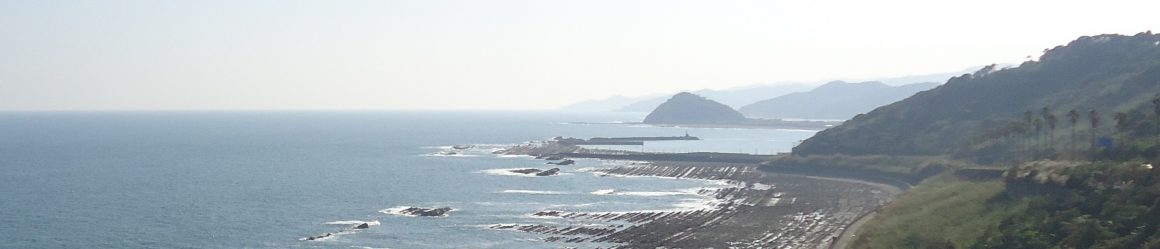
Nichinan Coast – A Scenic Gem of Southern Kyushu, Japan Overview The Nichinan Coast (日南海岸, Nichinan Kaigan) is a stunning stretch of coastline that runs along the southeastern edge of Miyazaki Prefecture on Kyushu, Japan’s… More
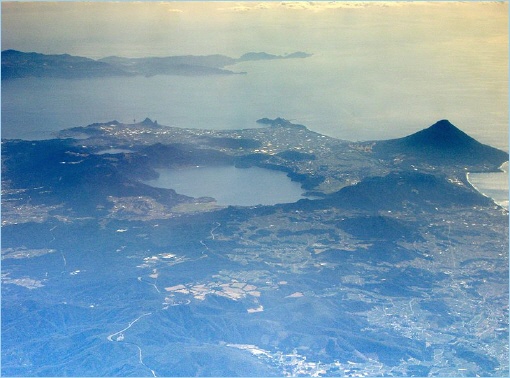

Kyushu Travel Guide: Discover Volcanoes, Temples, and Local Cuisine

Kyushu, the southernmost of Japan’s main islands, is a captivating destination that offers a rich blend of natural beauty, cultural heritage, and culinary delights. Here are several compelling reasons to visit Kyushu:
- Stunning Natural Landscapes: Kyushu is home to some of Japan’s most breathtaking natural scenery. This includes the active volcano Mount Aso, which boasts one of the world’s largest calderas, and the stunning hot springs of Beppu, where you can relax in therapeutic waters while enjoying picturesque views.
- Rich Cultural Heritage: The island is steeped in history and culture. You can explore ancient temples and shrines such as Dazaifu Tenmangu in Fukuoka, which dates back over a thousand years, and the historic Nagasaki, which played a crucial role in Japan’s international trade and was the site of the tragic atomic bombing during World War II.
- Delicious Cuisine: Kyushu is a food lover’s paradise. The island is famous for its unique regional dishes like Hakata ramen from Fukuoka, which features a rich pork bone broth, and fresh seafood from the coastal cities. Don’t miss out on trying Karashi Renkon, a mustard-filled lotus root delicacy, and Shochu, a popular distilled spirit.
- Vibrant Festivals: Kyushu hosts a variety of traditional festivals throughout the year. The Hakata Gion Yamakasa in Fukuoka is a dynamic event featuring teams racing through the streets with large floats, while the Nagasaki Kunchi showcases vibrant performances and dances that reflect the city’s diverse cultural influences.
- Relaxing Onsen Towns: The island is renowned for its hot springs, with towns like Beppu and Yufuin offering numerous onsen resorts. These hot springs provide a perfect way to unwind and experience the traditional Japanese practice of communal bathing.
- Historical Sites: Kyushu offers a deep dive into Japan’s history with attractions like Kumamoto Castle, one of Japan’s most impressive and historic castles, and the Kyushu National Museum, which offers fascinating insights into the region’s past.
- Unique Wildlife and Nature: Nature enthusiasts will enjoy the unique flora and fauna of Kyushu. The island’s diverse ecosystems include subtropical rainforests in Yakushima, a UNESCO World Heritage site known for its ancient cedar trees and wildlife, such as monkeys and deer.
- Modern Attractions: For those interested in modern attractions, cities like Fukuoka offer a dynamic blend of shopping, entertainment, and nightlife. Fukuoka’s Canal City is a massive shopping and entertainment complex that includes everything from theaters to restaurants and stores.
Kyushu is a destination that seamlessly combines natural wonders, cultural treasures, and modern attractions, making it a must-visit for any traveler looking to experience the diverse charms of Japan.
____________________
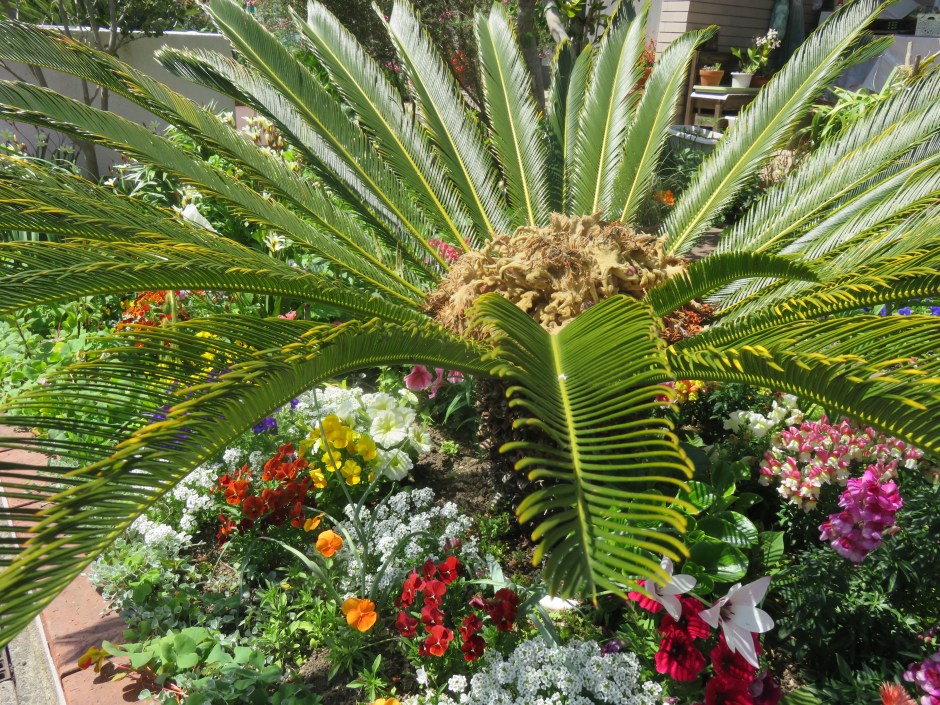
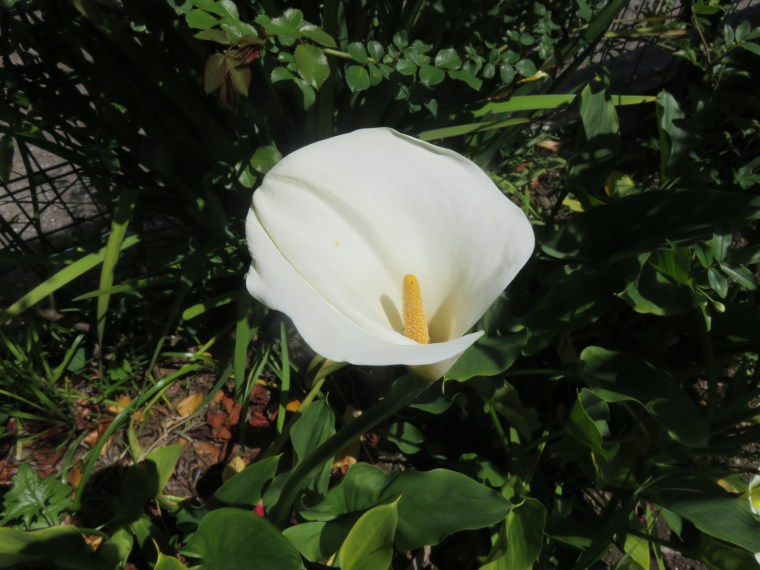
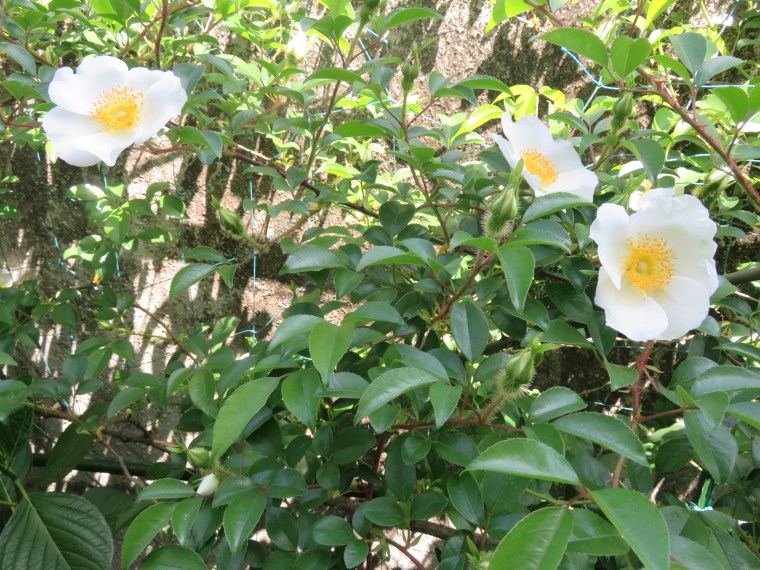
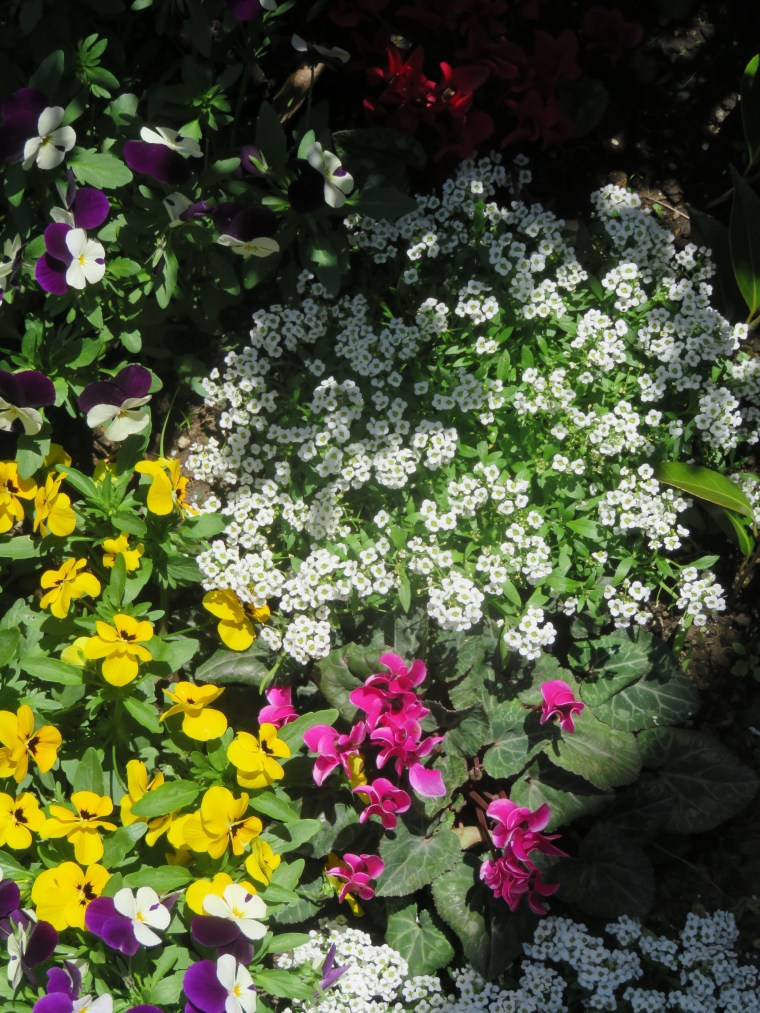
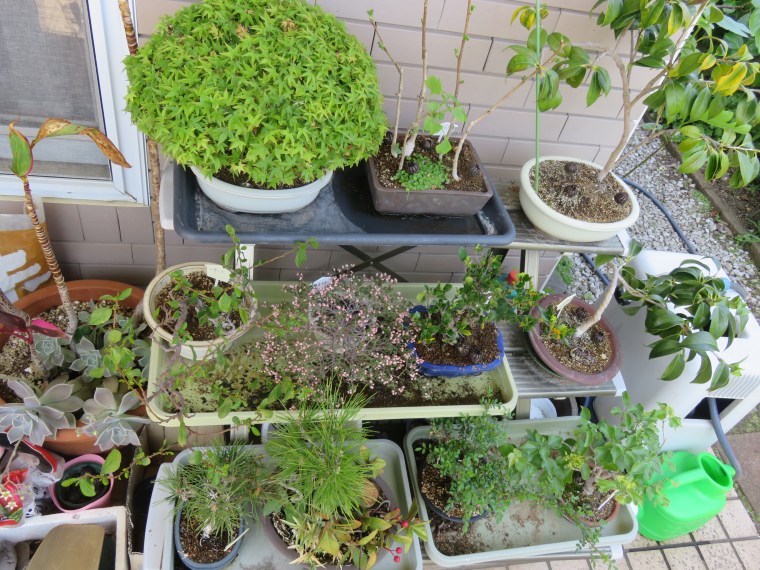
Subtropical Miyazaki Garden: A Visual Oasis Amid Conflict and Crisis
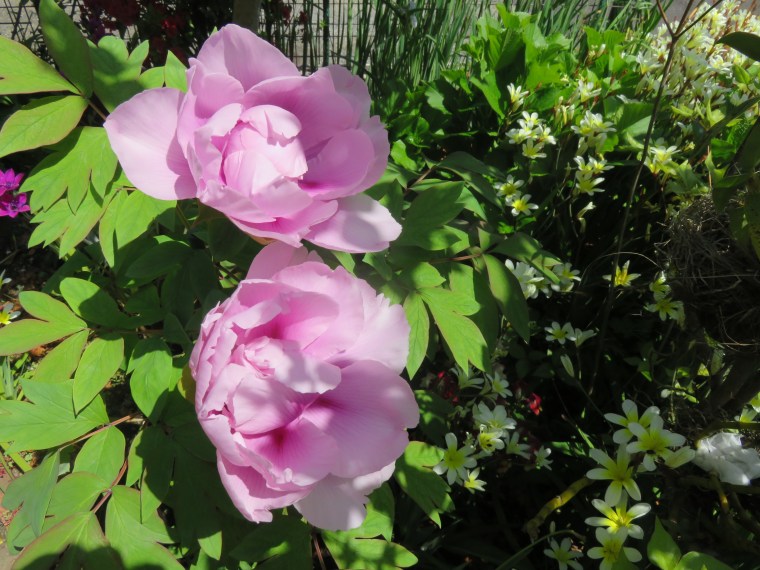







Unzen National Park: History, Nature, and Tragedy
Location: https://goo.gl/maps/JYbBV5VSQvUPq1YV6
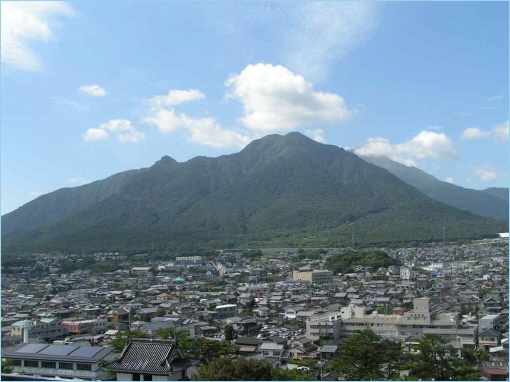
In 1927, Unzen was ranked 1st in the mountain category for the New Eight Views of Japan, and in 1934 was designated as our country’s first national park. Unzen’s nature has been preciously preserved since days of old, and is an encyclopedia of nature.

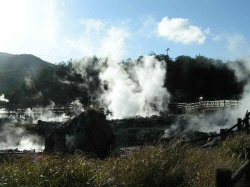
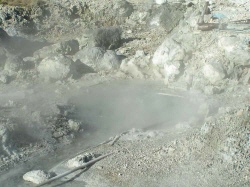
Mount Unzen and Shimabara City
Mount Unzen is one of the most dangerous volcanoes in Japan. In 1792, around 15,000 people were killed when part of the mountain broke away and slipped into the sea. This resulted in a 20 meter high tsunami that almost completely destroyed the city of Shimabara.
After a long period of rest there was an outbreak in 1991 which claimed 43 lives.
Mount Unzen Disaster Memorial Hall
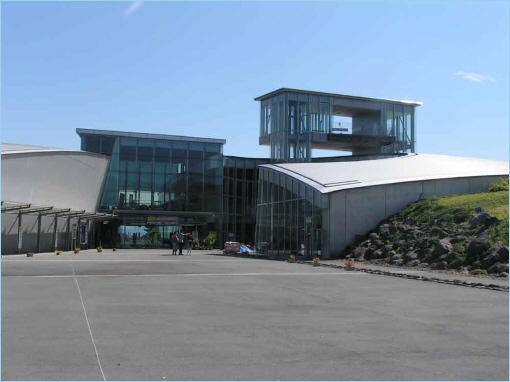
A visit here is highly recommended. You get a deeper impression of how the eruption went in 1991. Very interesting!
Shimabara Uprising
During the Shimabara uprising, Japanese peasants, most of them Christians, rose against the Tokugawa shogunate in 1637-1638.
The rebellion broke out on December 17, 1637. The main reason had less to do with their Christianity, but with the high tax burden that was imposed on them.
The uprising included up to 23,000 farmers and ronin (abandoned samurai), many of whom were women. They were led by Amakusa Shiro (also called Masuda Tokisada).
The governor of Nagasaki sent an army of 3,000 samurai to Amakusa, but it was crushed to death on December 27, 1637, with 2,800 deaths. The governor requested reinforcement from the shogunate. After subsequent fighting, the rebels had to retreat to Shimabara with around 1,000 soldiers killed.
They occupied Shimabara Castle and took over Hara Fortress.
The Shogunate troops began to fire artillery on the fortress, but this did not have the desired effect.
An increasing army from the Shogunate besieged the fortress for months and suffered great losses. On February 3, 1638 there was a surprising counterattack by the rebels, in which 2,000 samurai fell.
In the fortress, however, ammunition and provisions slowly ran out.
In March the Shogunat’s army grew to 200,000 soldiers. They faced 30,000 rebels.
On April 12, 1638, the storm on Hara followed. The army lost approximately 10,000 soldiers in fierce battles before being victorious on April 15, 1638.
No prisoners were taken. All survivors were beheaded.
Amakusa Shiro’s head was brought to Nagasaki and put on display there. The Hara fortress was destroyed.
The shogunate suspected western Catholics of the rebellion. As a result, Portuguese traders were expelled from the country. An existing ban on Christianity was strengthened. As a result, the Christians could only survive in hiding.
From that time until 1860 there were no major battles in Japan. For the next 10 generations of the Edo period, most samurai never fought in battle.

see this movie: The Shimabara Rebellion
————————————————————————————————————

Explore Miyazaki: Attractions and History
Miyazaki-ken (Prefecture) is located on the southeast coast of Kyushu on the Pacific Ocean. The area is subtropical and is characterized by the third mildest climate in Japan. Details you will find here.
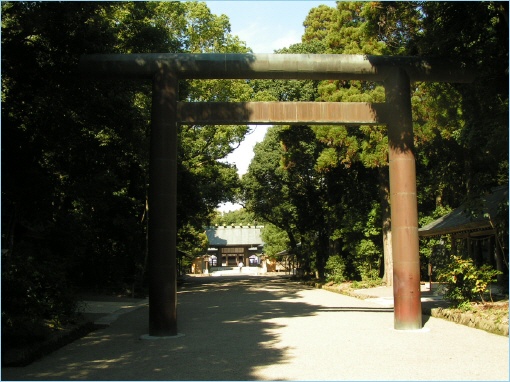
Miyazaki Jingu
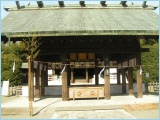
Myazaki-Jingu is a shrine in honor of the first Japanese emperor Jimmu. The current building was renovated in 1907 and the foundations are estimated to be around 600 years old.
It is believed that the shrine as such is over 2600 years old.
According to Japanese mythology, Emperor Jimmu was an offspring of the sun goddess Amaterasu. Although the story is not accurate, it is generally accepted that Japanese emperors have ruled for more than 1,500 years and that they all descend from the same imperial family.

Heiwadai Park
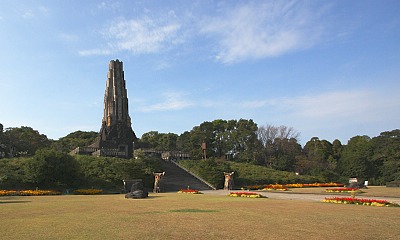
Heiwadai Park, or Peace Tower Park, was built in 1940 to celebrate the 2600th anniversary of the ascension of Emperor Jimmu, the mythical first emperor of Japan, on what is believed to be the original site of his capital. Inside the park stands the Peace Tower, or Heiwadainoto, a tower constructed of stones sent from all around Asia and one of Miyazaki’s most recognizable landmarks.The Peace Tower was meant to symbolize a united world. On the front of the tower is the phrase “Hakko Ichiu”, which is attributed to Emperor Jimmu and means “United under one roof”. While it is somewhat ambiguous what he meant, this was often used as a rallying cry for imperialists who believed that peace would reign once Asia was united under Japanese leadership.
__________________________
Tsubakiyama Forest Park
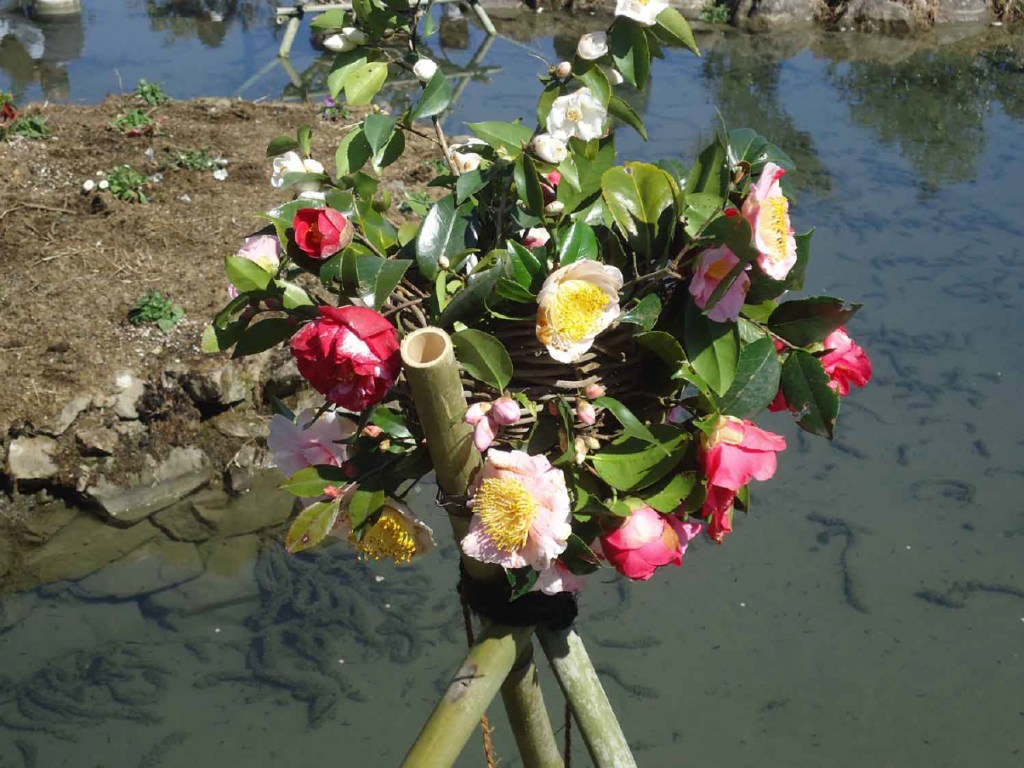
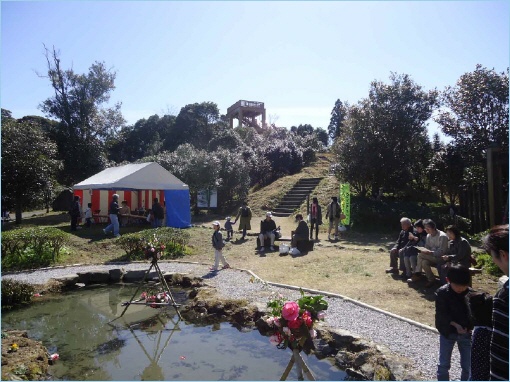
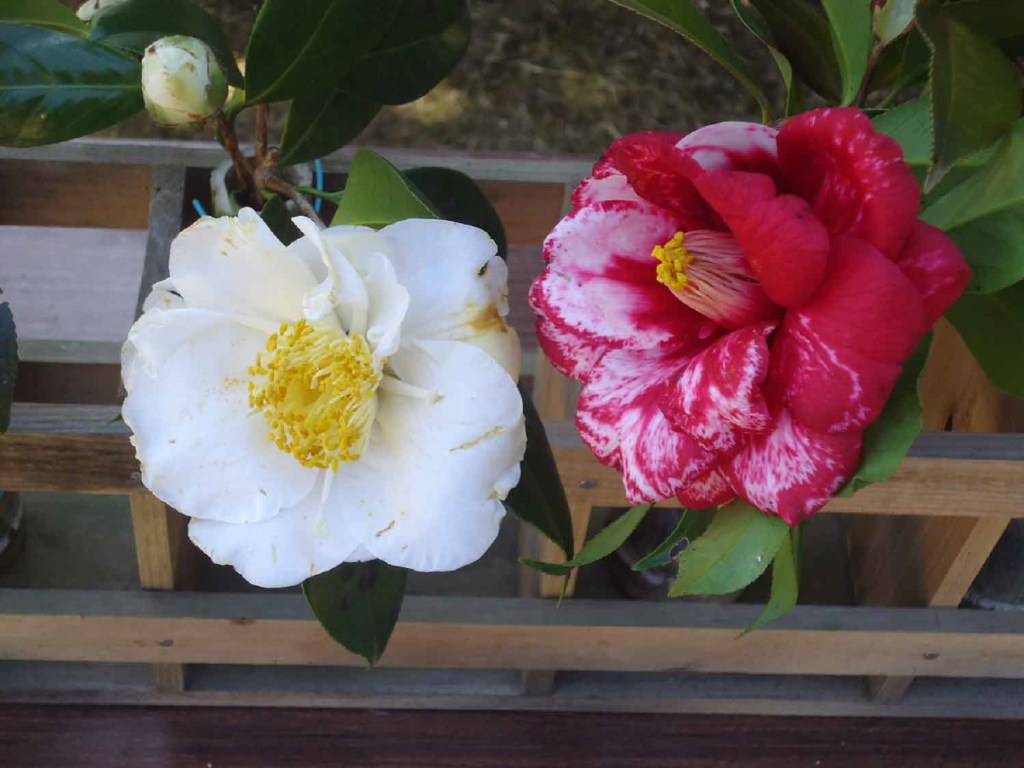
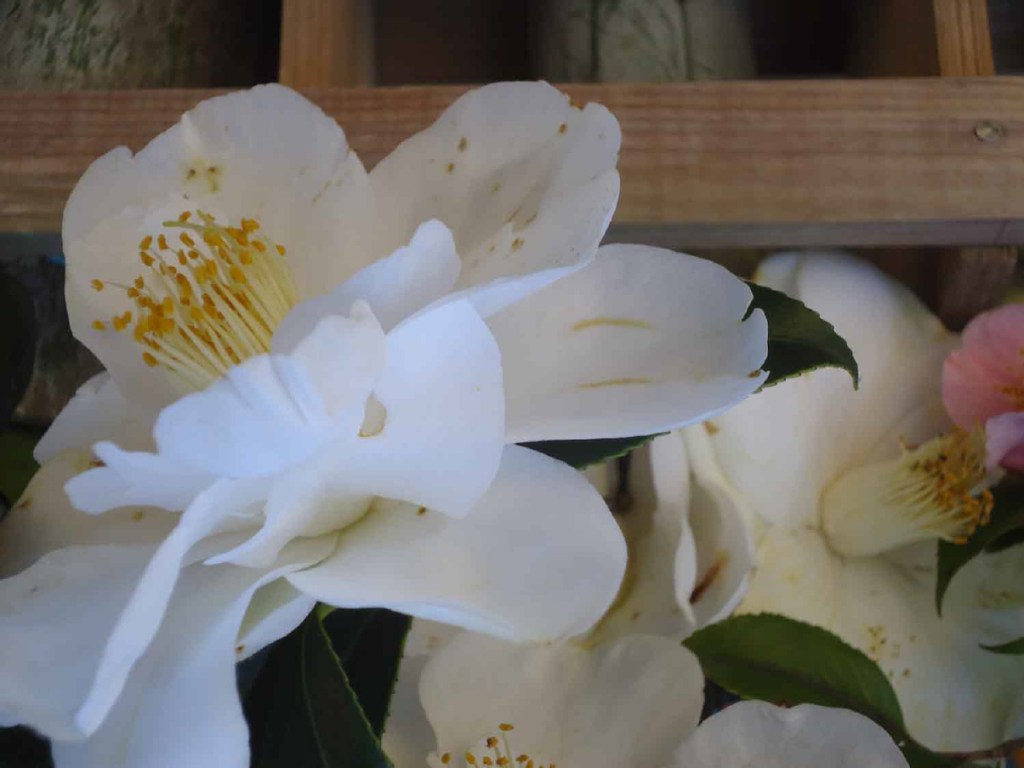
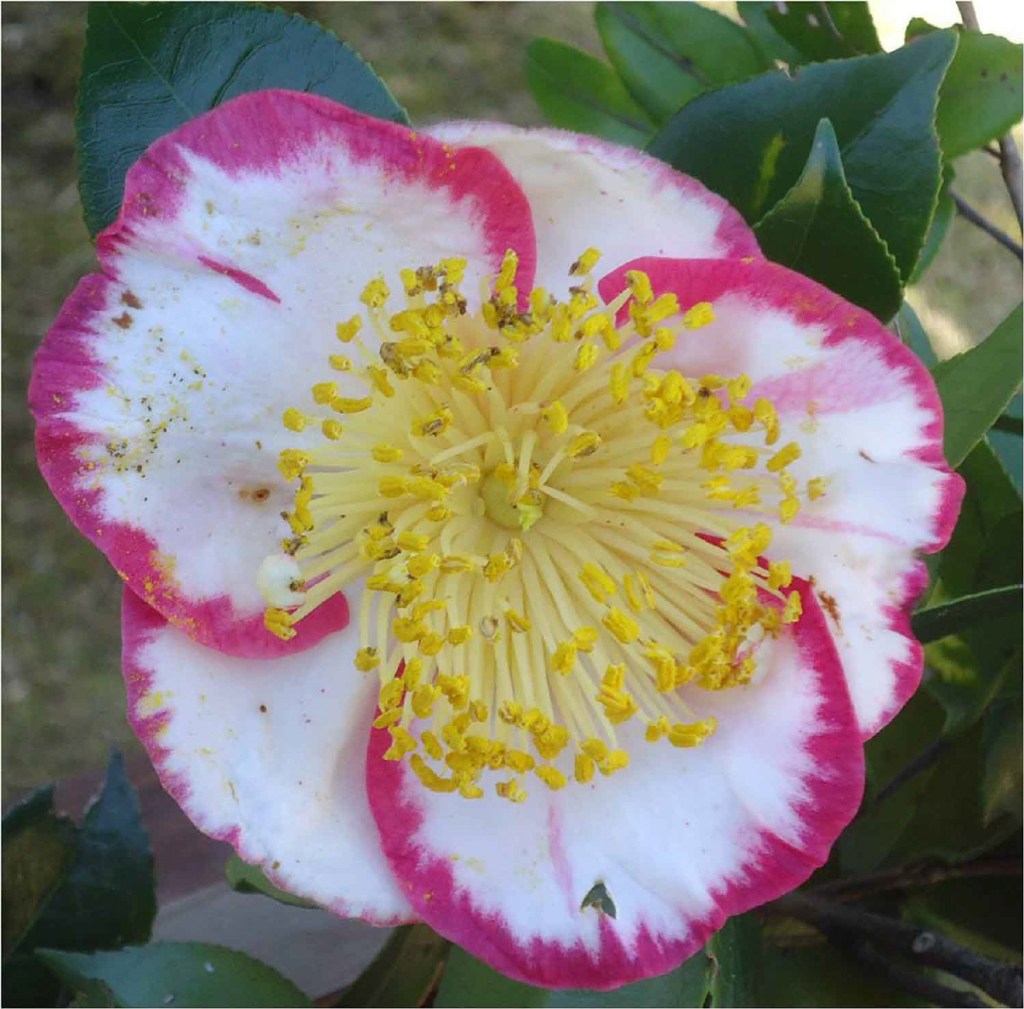
The park is located in an area between the southwest of Miyazaki City and the city of Kitago. “Obisugi” (Japanese cedar) grow in the mountains of Miyazaki-ken. The trees were planted after World War II to boost the production of wood. And to replace cut down trees due to the beginning of reconstruction in Japan. Within the park there is a large area called “Yabu-tsubaki” because of the wild camellias that grow there. Tsubaki is the Japanese word for camellia. The “Tsubakiyama Forest Park” camellia park was officially opened on May 1990. Internationally, it was soon recognized as the “Number One Camelia Park” around the world. Around 48,000 different kinds of camellias grow in the park. In between you will find the cedar trees and occasionally a beautiful magnolia tree. The area covers over 40 hectares.
The “mountain” is at an altitude of approx. 400 m, although you have to remember that the start is almost 0 meters above sea level. It takes about 45 minutes by car from the center of Miyazaki City. A bus doesn’t run. A rental car is recommended. Drive carefully, it is on a narrow road.


——————————————————————————————————————————

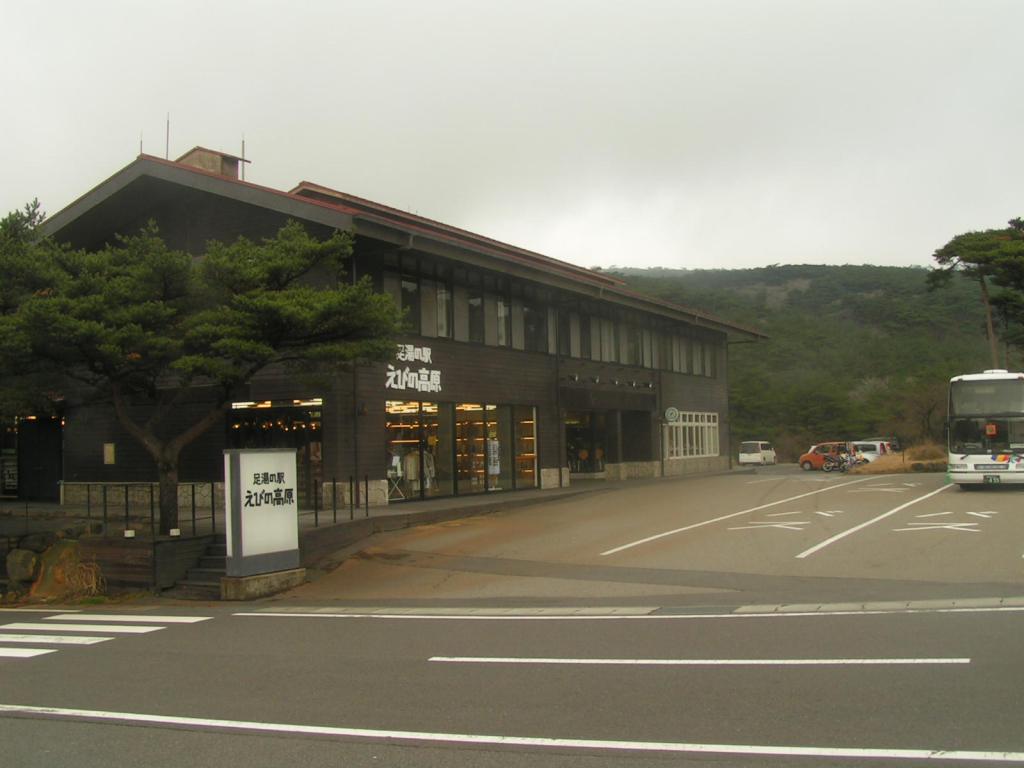
Exploring the Mythical Kirishima: A Guide to Trekking and Kirishima Jingu
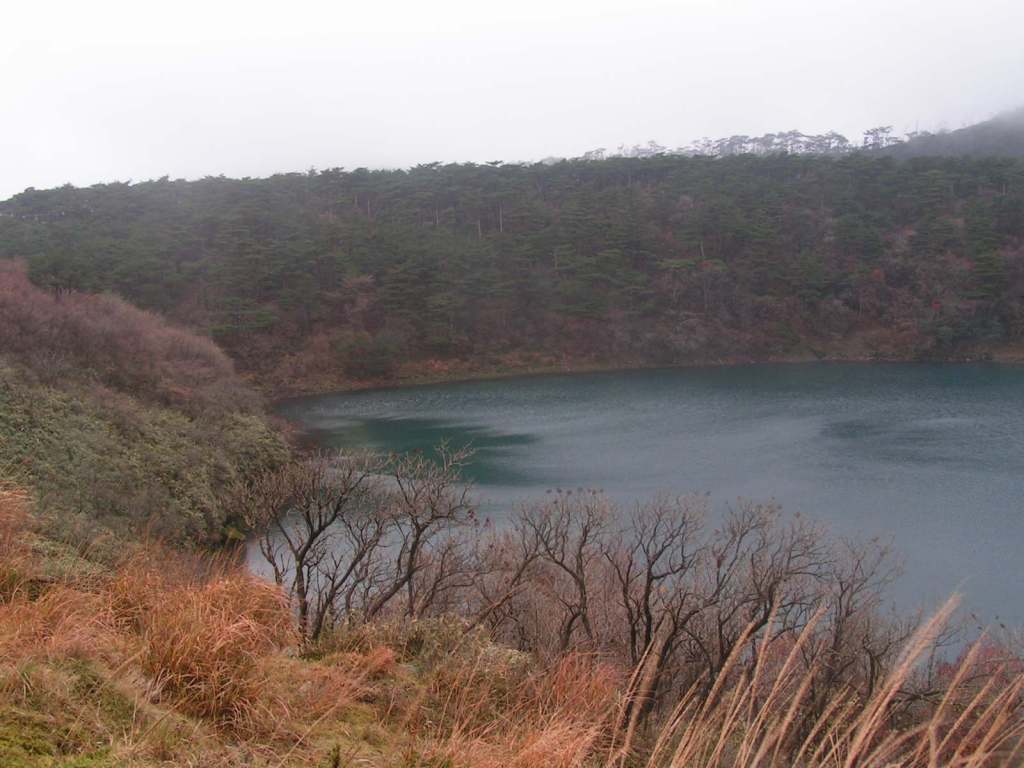
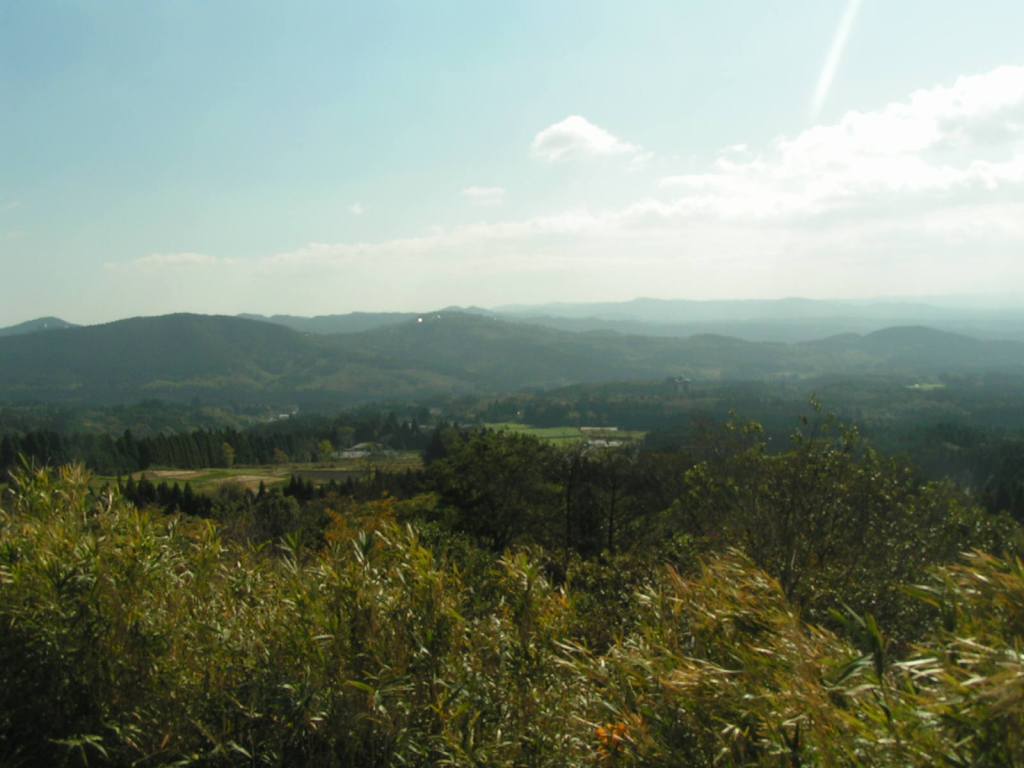
Look back at the Age of the Gods, when deities ruled the world. Looking down from heaven, they saw “an island floating in a foggy sea,” which is said to be where Kirishima (“fog island”) derives its name. Details you will find here.
Trekking in Kirishima, details you will find here.

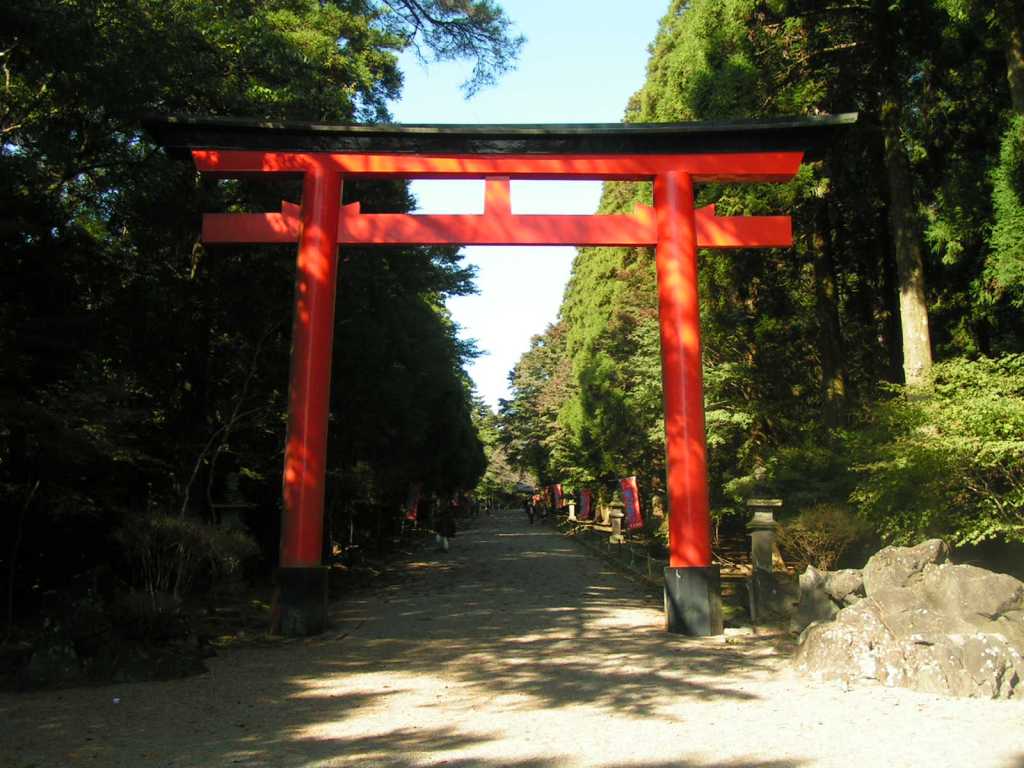
Kirishima Jingu: Details you will find here.





——————————————————————————————————————————-

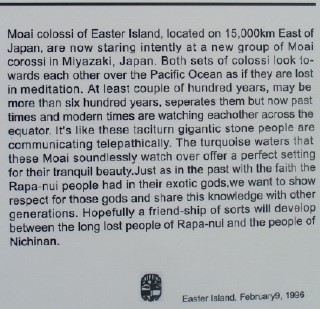
MOAI Statues: Discovering the Fascinating History of Easter Island



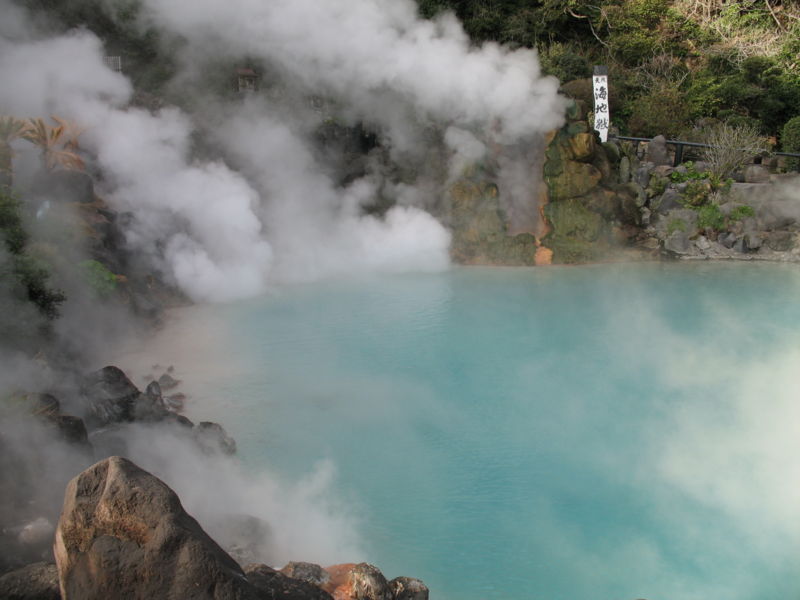
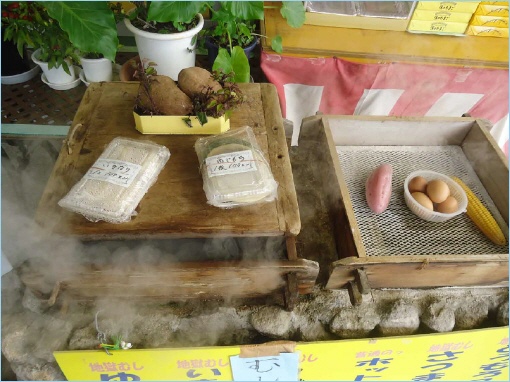
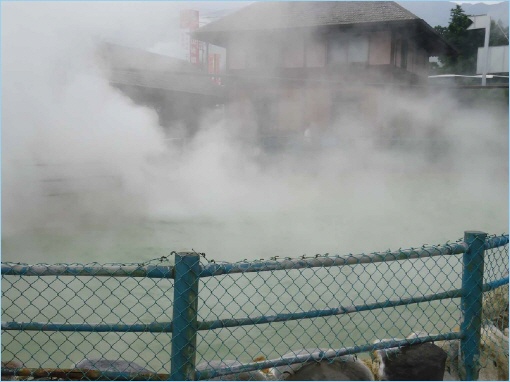
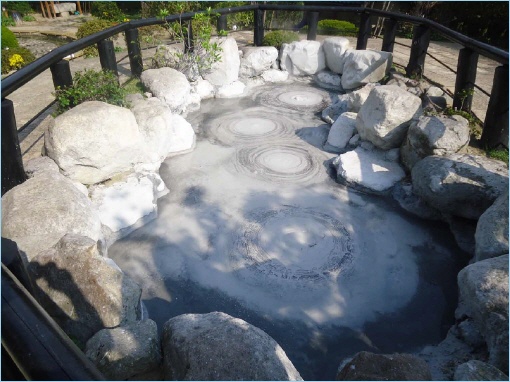
Beppu Jigoku: A Fascinating Journey through Japan’s Geothermal Wonders
A tour of the seven hells where fumaroles and hot water vigorously errupt from the ground. Details you will find here.




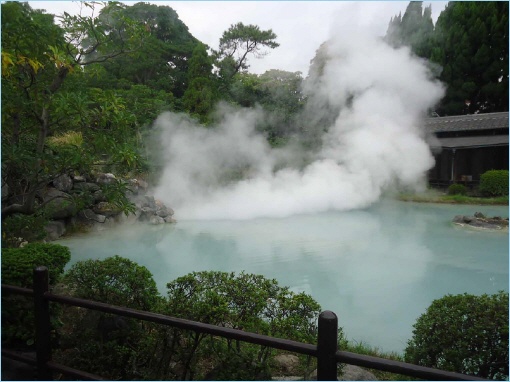
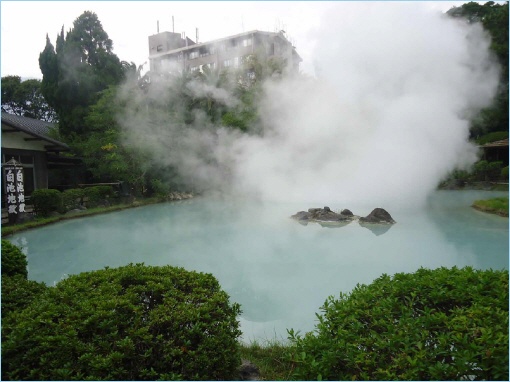


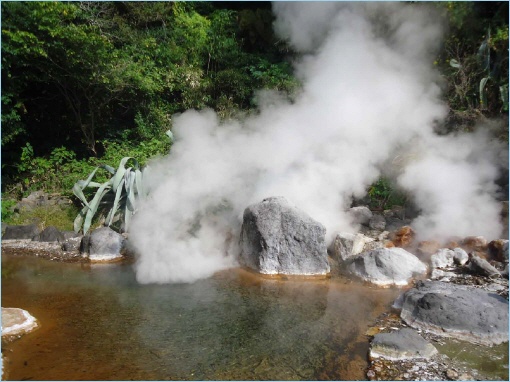
———————————————————————————————————————————-
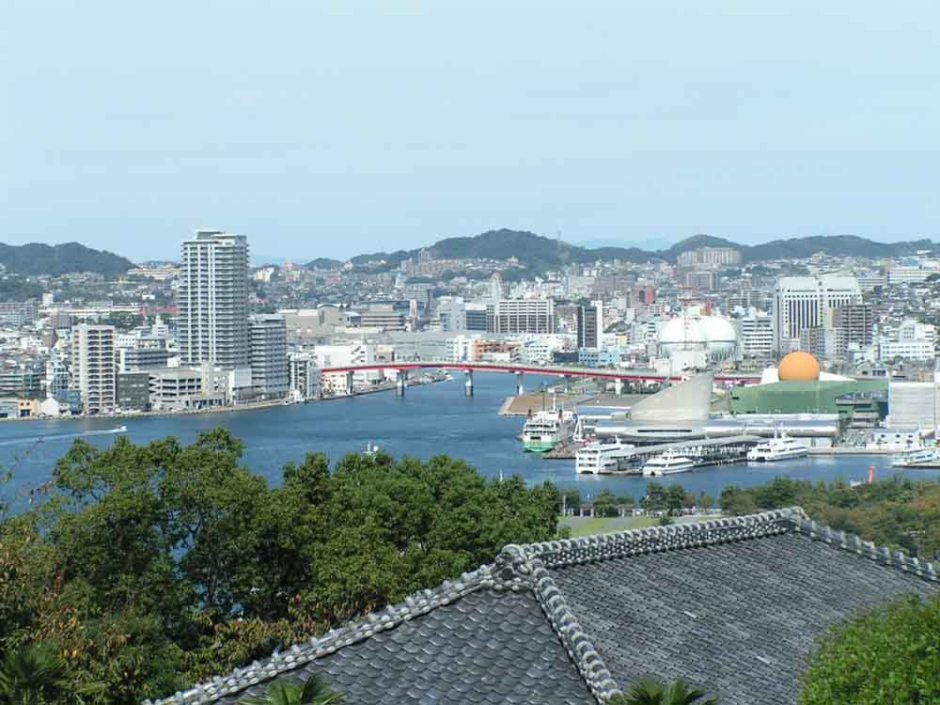
Nagasaki Peace Park: A Must-Visit Monument in Japan
Nagasaki is the capital and the largest city of Nagasaki Prefecture on the island of Kyushu in Japan. Details you will find here.
Peace Park
A visit to the Peace Park is an absolute must, it is more intensive than the site in Hiroshima. Once you are there, you are amazed at the size of this monument. The right arm points upwards: The misfortune came from there. The left arm is stretched out as a gesture of peace. The eyes are closed in prayer for the dead. It’s huge. Together with the Atomic Bomb Museum, you should plan half a day to visit this park


“Fat Man” was the codename for the nuclear bomb that was detonated over the Japanese city of Nagasaki by the United States on 9 August 1945

————————————————————————————————————————————-

Fukuoka Prefecture: Dazaifu Tenmangu and More
Fukuoka City has launched a multilingual website, have a look: https://gofukuoka.jp/
One of Fukuoka’s Prefecture most famous attractions is Dazaifu Tenmangu.
Details you will find here.

—————————————————————————————————————————————-

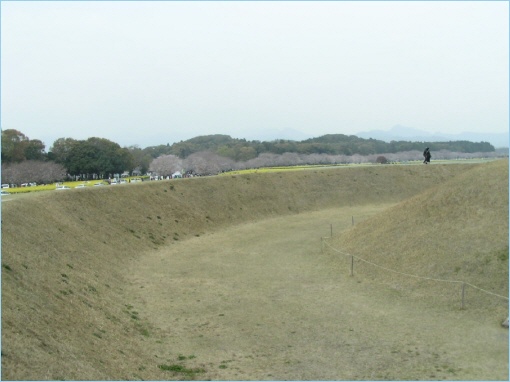
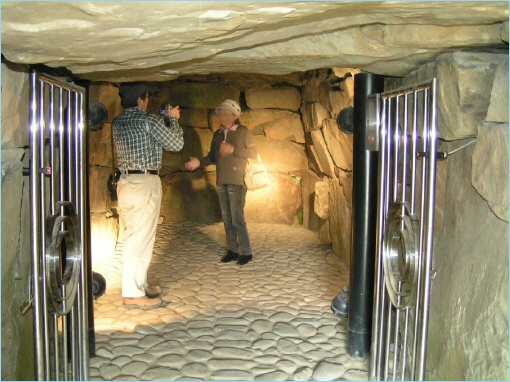
Saitobaru Burial Mounds: Exploring 300 Ancient Tombs
The Saitobaru Burial Mounds emcompass over 300 burial tombs an various sizes. For details have a look at https://en.wikipedia.org/wiki/Saitobaru_Kofun_Cluster


—————————————————————————————————————————————-
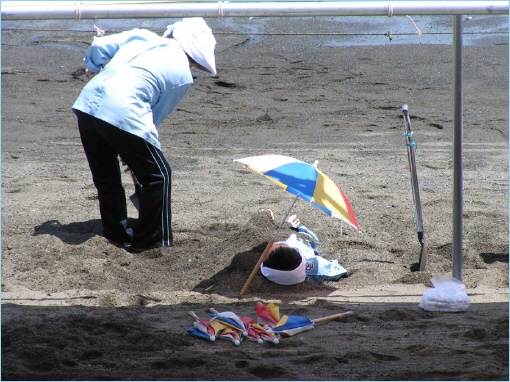
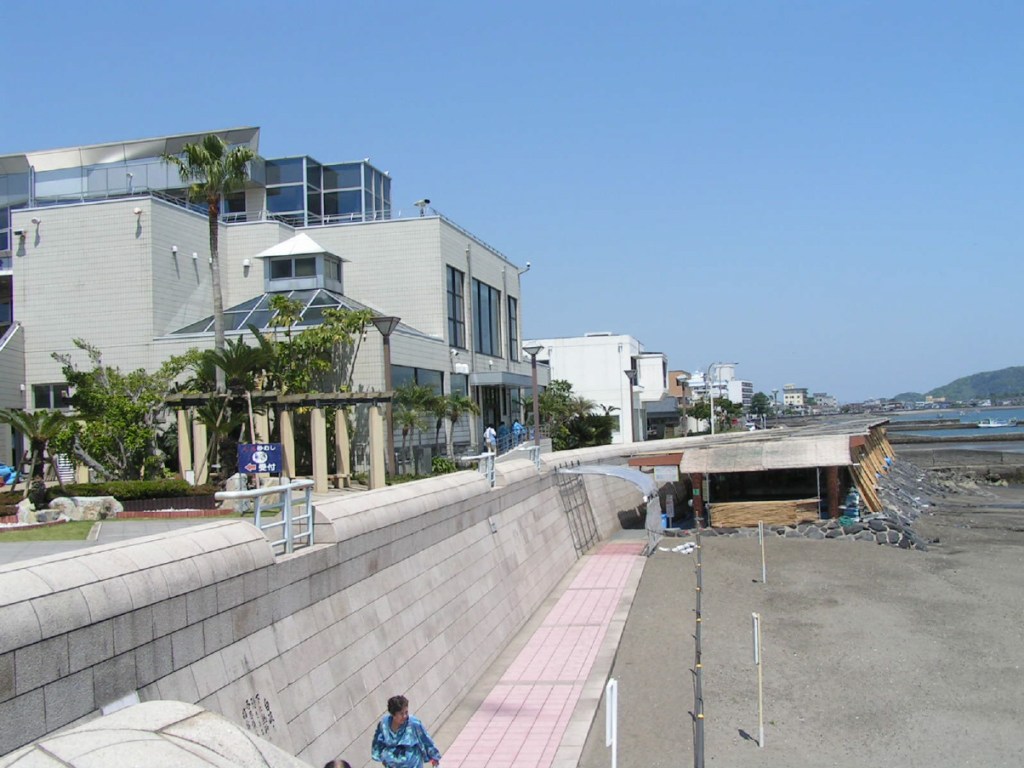
Ibusuki and Yamakawa Steam Sand Baths: Natural Healing Experience
Location: https://goo.gl/maps/v8uH1WMgeCwi7kLC7
On the geothermally heated sandy coasts of Ibusuki and Yamakawa, you can experience unique and natural steam sand baths. Details you will find here and here.

…..
—————————————————————————————————————————————-

Udo Jingu: Unique Cave Shrine on Nichinan Coast | Japan
Location: https://goo.gl/maps/5fPuTubBtWkRmtKD6
Udo Jingu Shinto shrine is dedicated to Yamasachihiko, the father of emperor Jimmu, the mythical first emperor of Japan. The shrine is famous for its unique construction. It is built inside a cave on a coastal cliff.
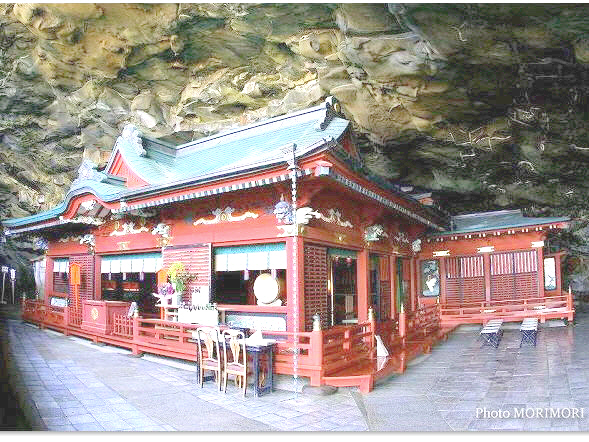
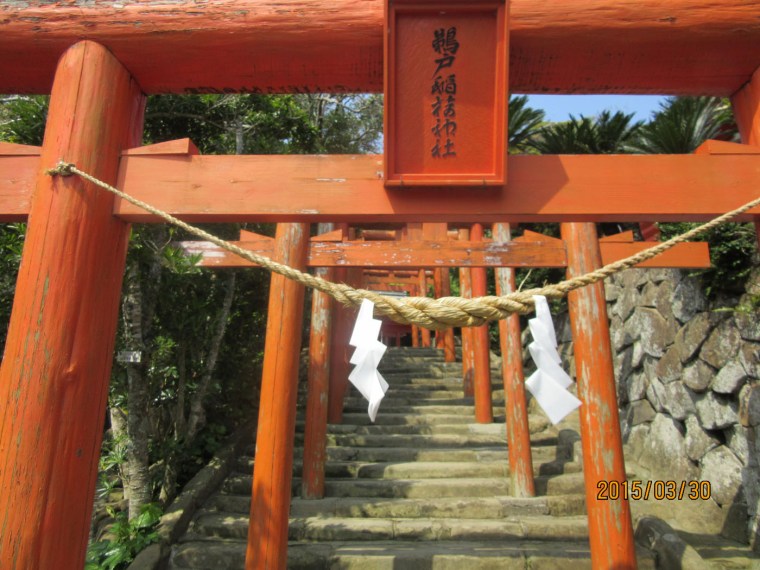

https://en.japantravel.com/miyazaki/udo-jingu/2745
A beautiful journey along the Nichinan Coast
———————————————————————————————————————————–
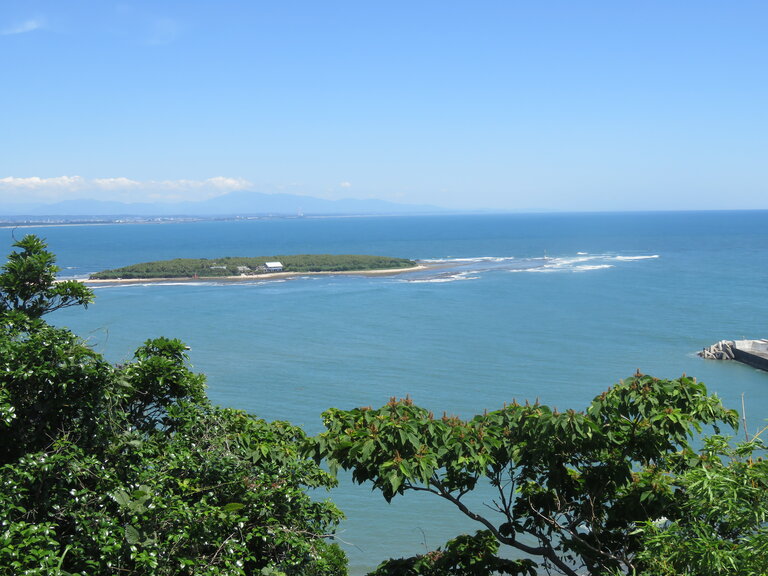
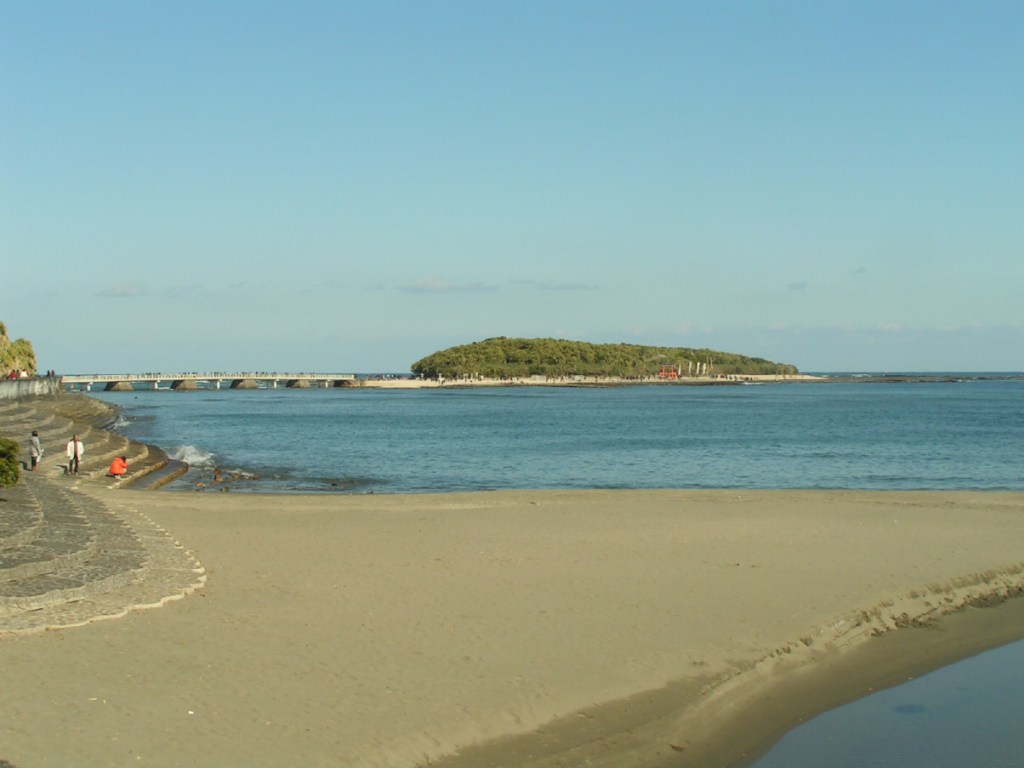
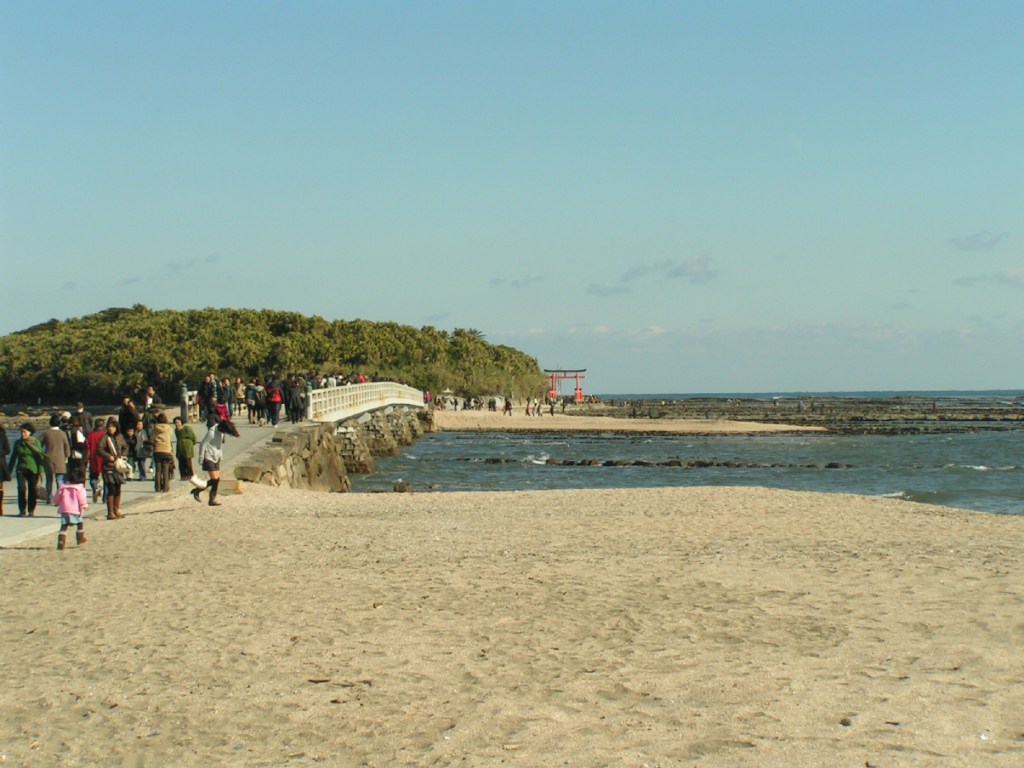
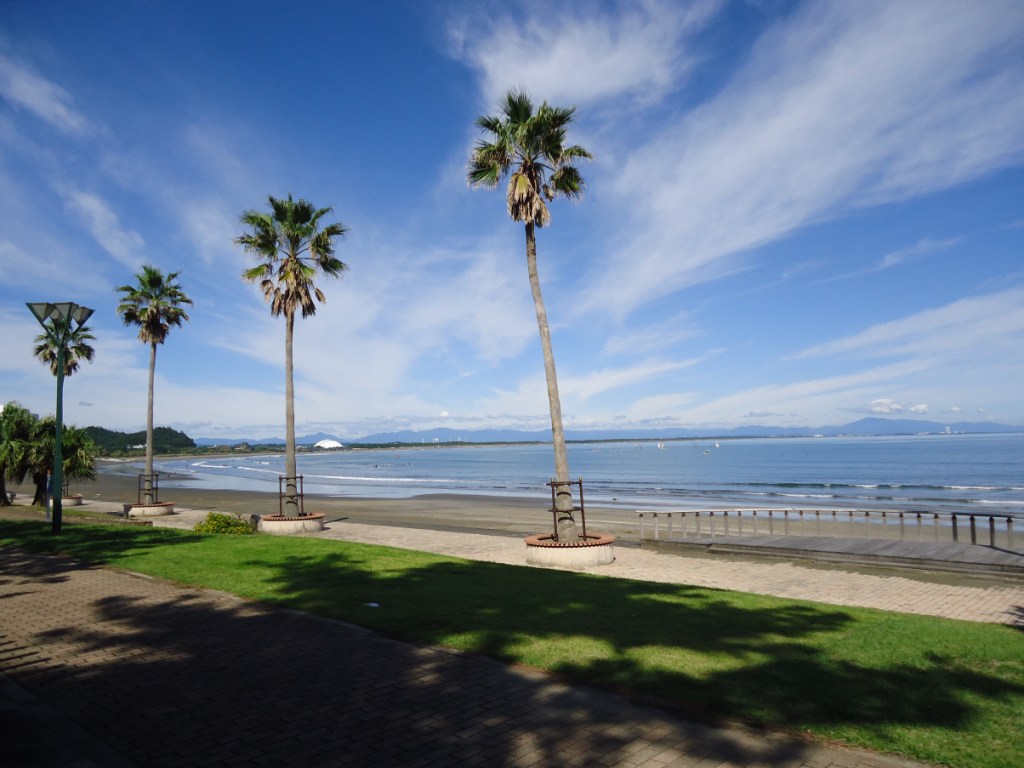
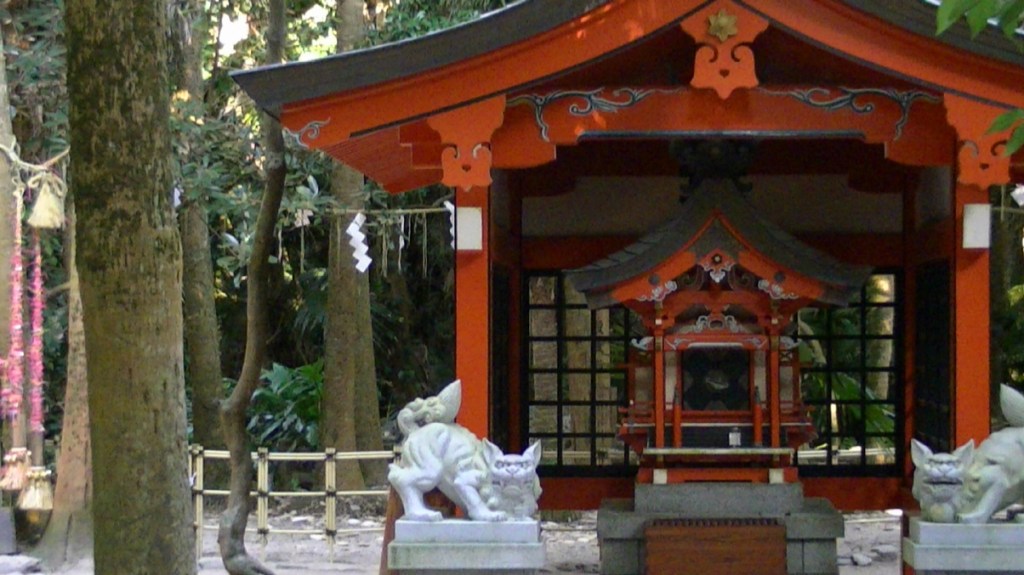
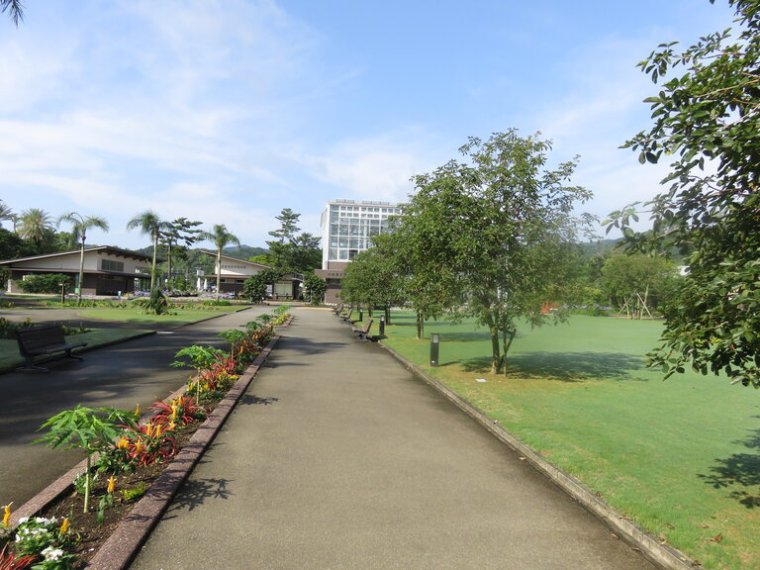
Surfers’ Paradise: Aoshima Island and Beachside Hotel
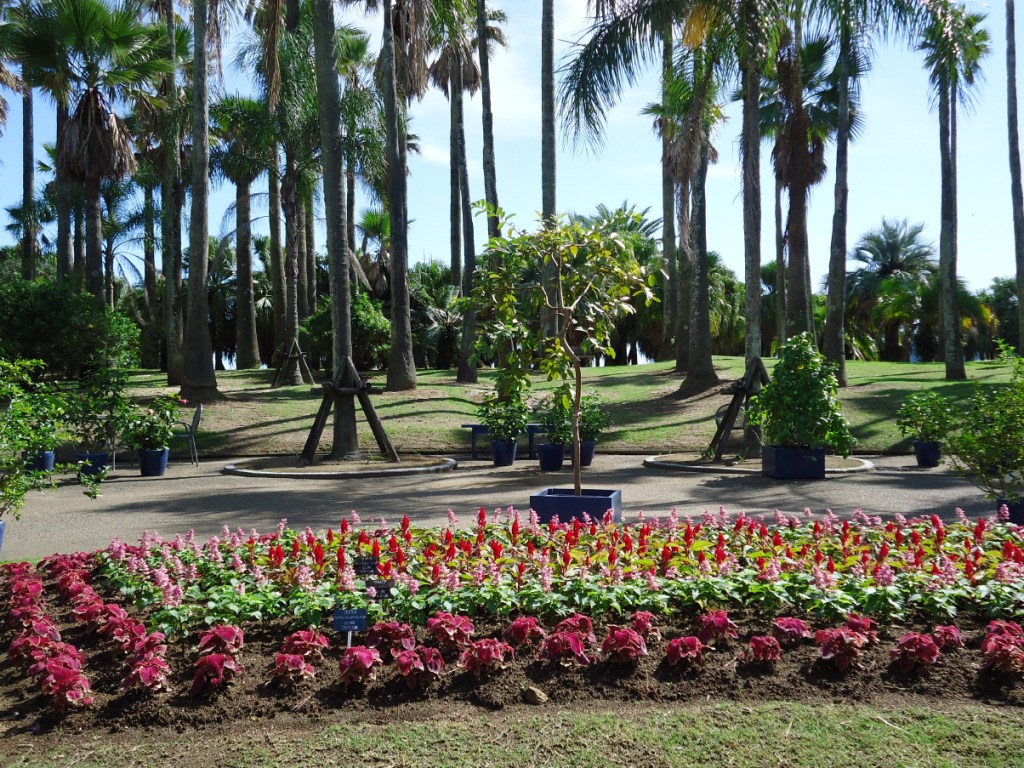
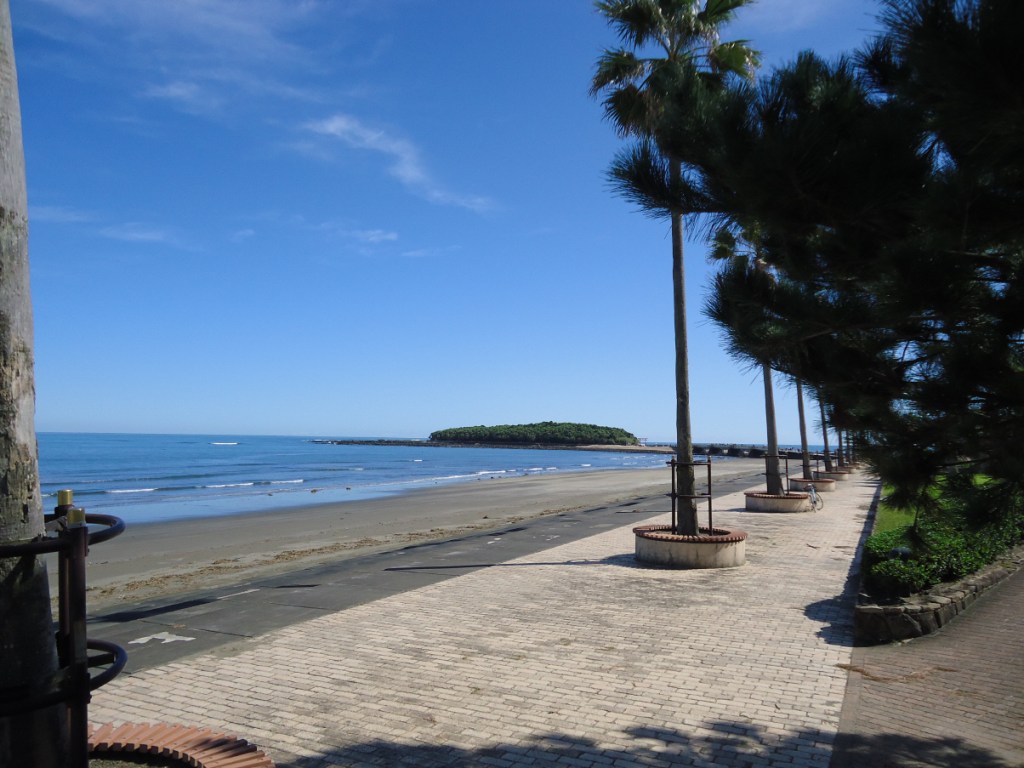
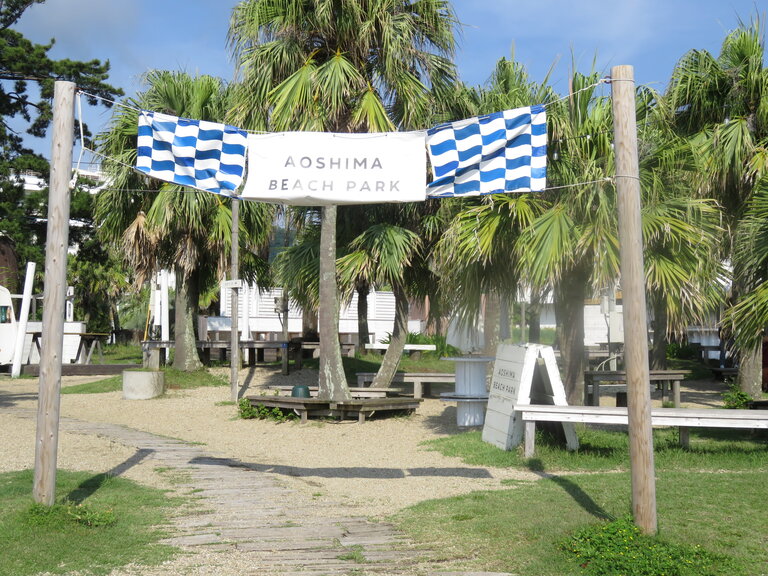
Aoshima Island is a small, beautiful island just off the coast south of Miyazaki City. Aoshima is connected to the mainland by a bridge.
All the details you will find here.
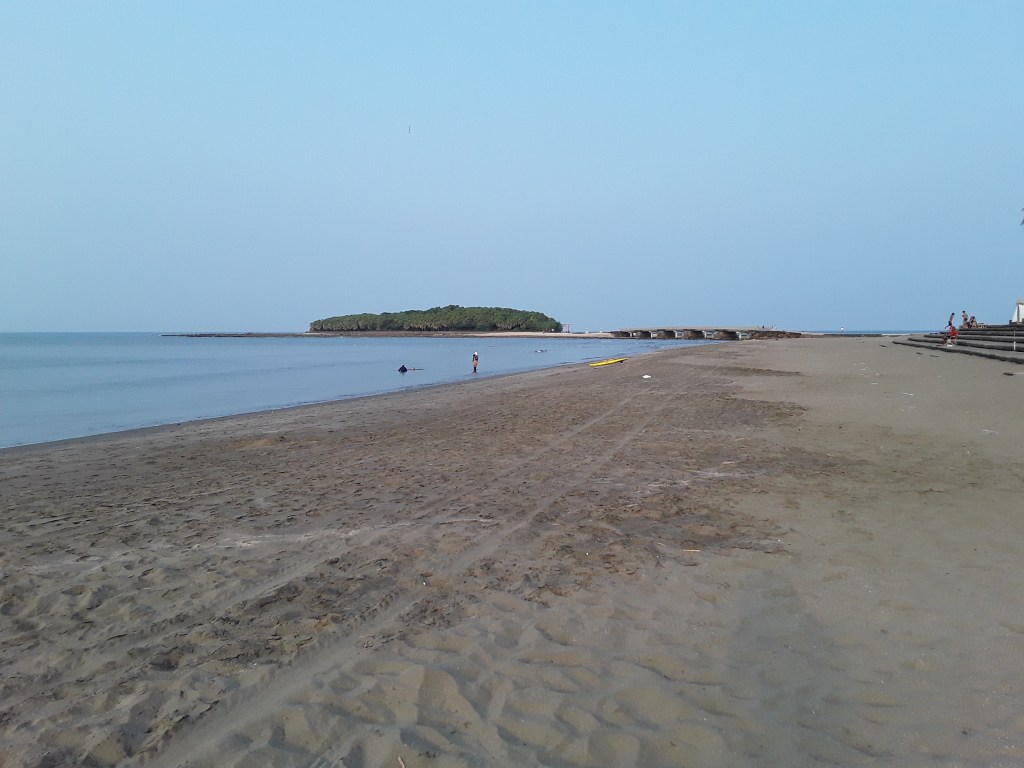
For surfers:
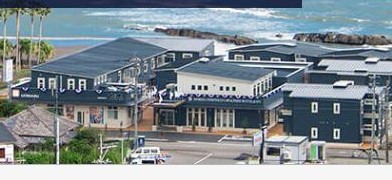
AOSHIMA FISHERMAN’S BEACHSIDE HOTEL & SPA
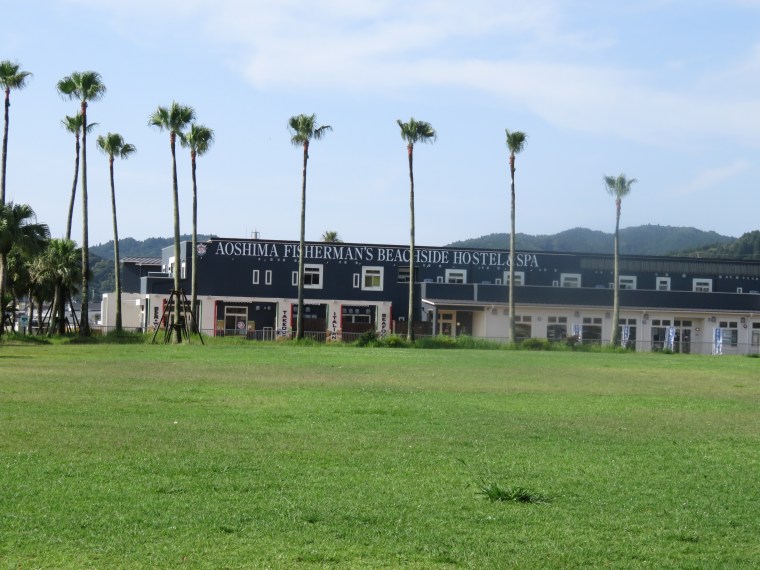
Ideal for surfers, newly constructed. Have a look here. Reservations available on their homepage.







———————————————————————————————————————————————

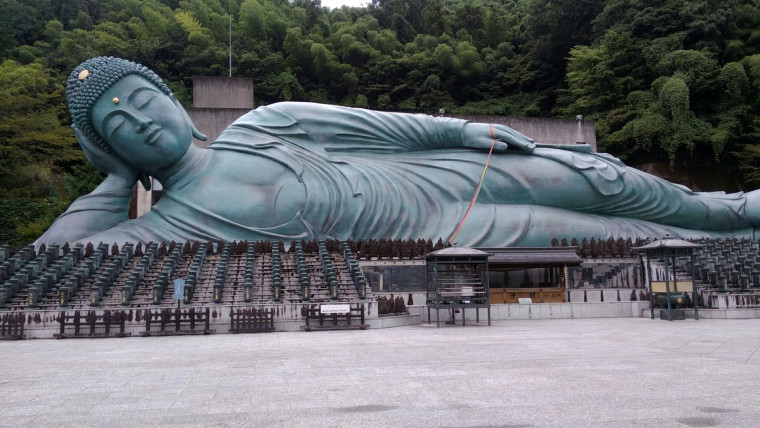
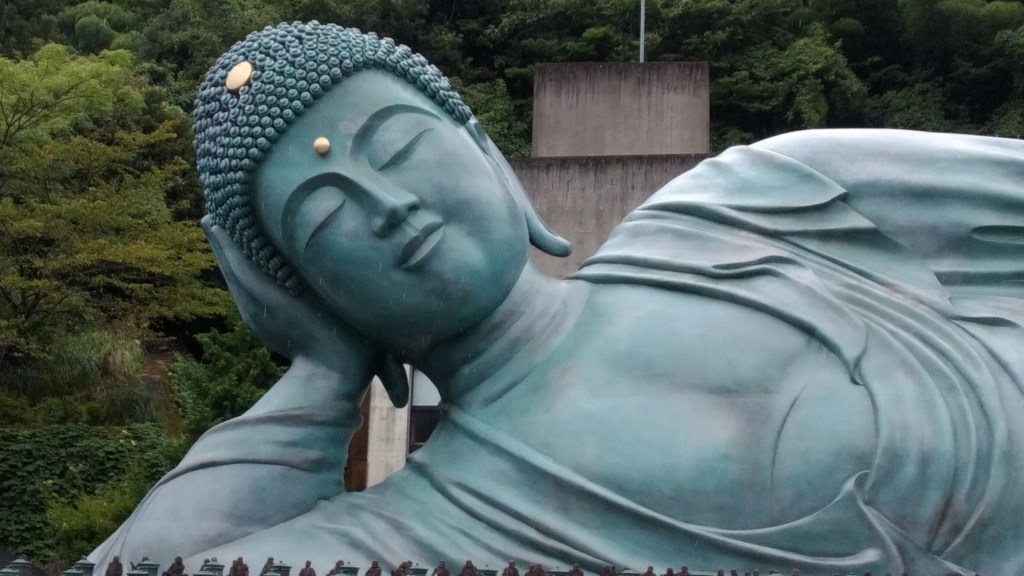
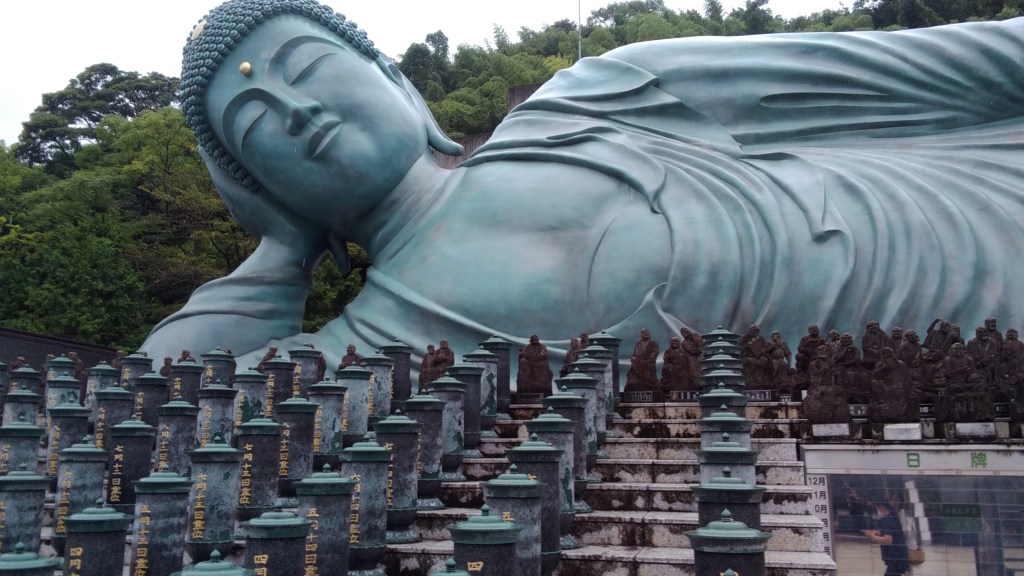
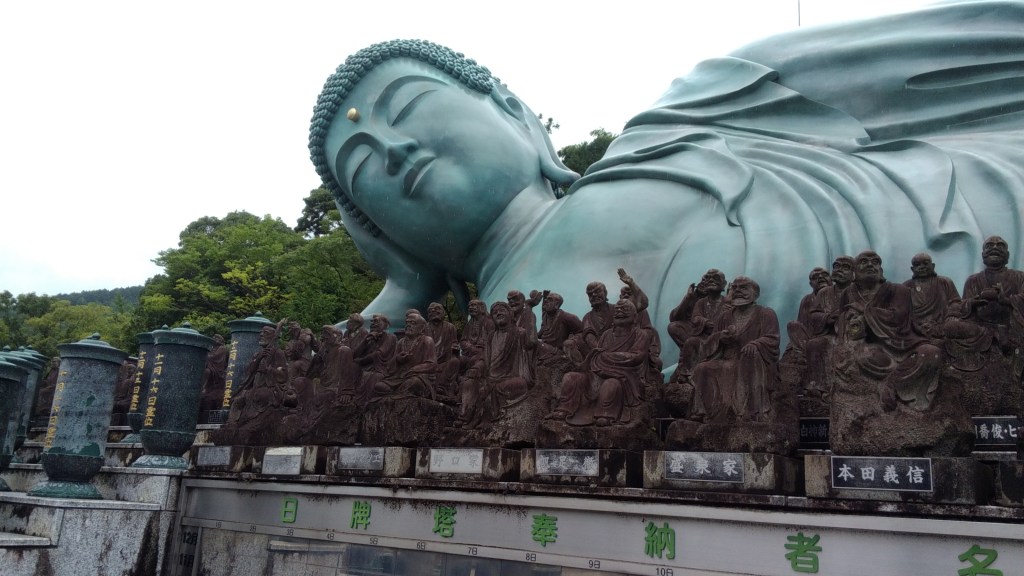
Nanzoin: Head Temple and Amulet-Issuing Office of Sasaguri Buddhist Pilgrimage Route
Nanzoin is the general head temple and the first amulet-issuing office of Sasaguri Buddhist pilgrimate Route, details you will find here. If you want special, go there!

——————————————————————————————————————————————



 My Kyushu