
Nichinan Coast – A Scenic Gem of Southern Kyushu, Japan
Overview
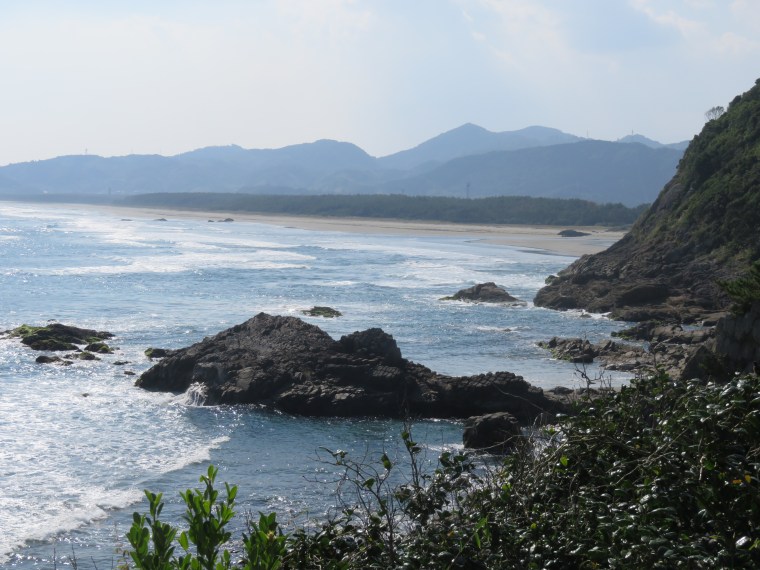
The Nichinan Coast (日南海岸, Nichinan Kaigan) is a stunning stretch of coastline that runs along the southeastern edge of Miyazaki Prefecture on Kyushu, Japan’s southernmost main island. Known for its subtropical climate, dramatic ocean views, palm-lined roads, and cultural landmarks, this region is a favorite destination for both domestic and international travelers seeking a blend of natural beauty and traditional charm.
Geography & Climate
- Location: Extends from Miyazaki City to Kushima City along Route 220.
- Length: Approximately 80–100 kilometers of coastal scenery.
- Climate: Warm and subtropical, with mild winters and hot, humid summers. Ideal for travel from spring to autumn.
Main Attractions
1. Aoshima Island & Shrine
- A small island connected to the mainland by a bridge.
- Famous for the “Devil’s Washboard” (Oni no Sentakuita): natural rock formations formed by erosion.
- Home to Aoshima Shrine, dedicated to marriage and love.
2. Horikiri Pass
- A popular scenic overlook on the coastal highway.
- Offers panoramic views of the rugged coastline and Pacific Ocean.
3. Udo Shrine (Udo Jingū)
- A dramatic and sacred Shinto shrine located in a cave on a seaside cliff.
- Dedicated to Yamasachihiko, father of Japan’s first emperor.
- Visitors throw clay balls toward a target rock for good luck.
4. Sun Messe Nichinan
- A seaside park known for its full-size Moai statues (authorized replicas from Easter Island).
- Combines panoramic views, modern art, and family-friendly attractions.
5. Obi Castle Town
- A preserved samurai town in Nichinan City, often called “Little Kyoto of Kyushu.”
- Features historical residences, a castle ruin, and a peaceful traditional atmosphere.
Activities
- Scenic Drives: Route 220 is one of Japan’s most beautiful coastal highways.
- Surfing & Swimming: Several beaches along the coast offer ocean activities.
- Hiking & Photography: Rich with viewpoints, walking trails, and photo spots.
- Cultural Exploration: Temples, shrines, festivals, and samurai-era architecture.
Local Cuisine
- Seafood: Especially flying fish, horse mackerel, and lobster.
- Mango & Tropical Fruits: The warm climate supports fruit farming.
- Chicken Nanban: Miyazaki’s regional fried chicken dish with sweet vinegar sauce and tartar.
Getting There
- By Car: The best way to explore the full coast is via rental car along National Route 220.
- By Train: The JR Nichinan Line connects Miyazaki City to parts of the coast, but not all attractions are easily accessible by rail.
- By Bus: Some major sites (like Udo Shrine and Sun Messe) are accessible by local bus.
When to Visit
- Spring (March–May): Comfortable weather and blooming flowers.
- Summer (June–August): Hot, great for beaches but can be humid.
- Autumn (September–November): Ideal for sightseeing and local festivals.
- Winter (December–February): Mild temperatures, less crowded.
Travel Tips
- Rent a car for flexibility—public transport can be limited along the coast.
- Bring sunscreen and water, especially in summer.
- Weekdays are quieter at major spots like Udo Shrine and Aoshima.
Conclusion
The Nichinan Coast is a hidden gem that combines natural wonders, ancient mythology, and scenic drives—all in one destination. Whether you’re seeking spiritual experiences, ocean breezes, or historical charm, this coastal route in Kyushu offers a memorable journey off the typical tourist trail.
 My Kyushu